
Your direct channel is underused
Repeat customers still order through marketplaces or messages instead of a branded experience you control.
Give customers a fast branded ordering experience while your team controls menus, promotions, order status, delivery handoffs, customer records, and reporting from one connected platform.
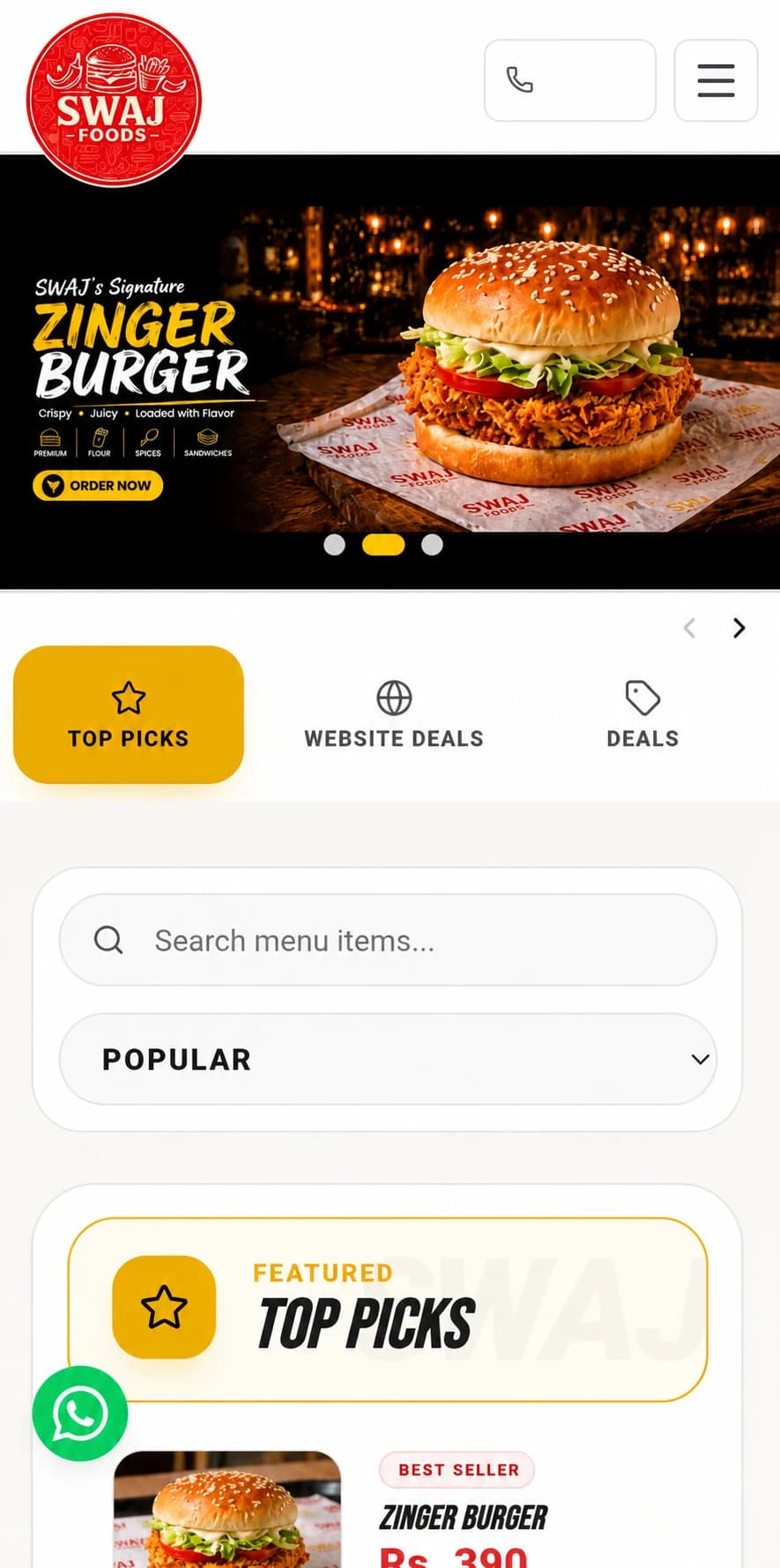
Website order · Payment on delivery
Confirmed · Kitchen preparing
Direct ordering works when the customer experience and the restaurant workflow are designed as one system—not as another inbox the team has to watch.
Repeat customers still order through marketplaces or messages instead of a branded experience you control.
Staff switch between calls, chats, marketplace devices, and handwritten notes while the kitchen waits.
Prices, deals, availability, and featured items become inconsistent when every channel is managed separately.
An order can move toward dispatch before the rider, responsibility, and next action are clear.
Every stage is visible to the people who need it, with different fulfilment rules for delivery, takeaway, and counter orders.
Customers browse a fast, branded menu built for mobile ordering.
Delivery or takeaway details, items, deals, and coupons are captured in one checkout.
The restaurant sees a new order immediately and moves it into a governed workflow.
Staff follow a clear status path without losing the order context.
Delivery orders receive a saved rider assignment before dispatch can proceed.
The customer tracks progress while management retains the operational history.
The platform connects acquisition, checkout, fulfilment, delivery coordination, and management visibility without making unsupported claims about features that are not part of the current system.
Give customers a mobile-first website and installable web-app experience for delivery and takeaway orders.
Manage categories, products, prices, images, featured items, website-only deals, and active status centrally.
Run percentage, fixed-value, or free-item coupons with dates, times, order-type rules, and usage limits.
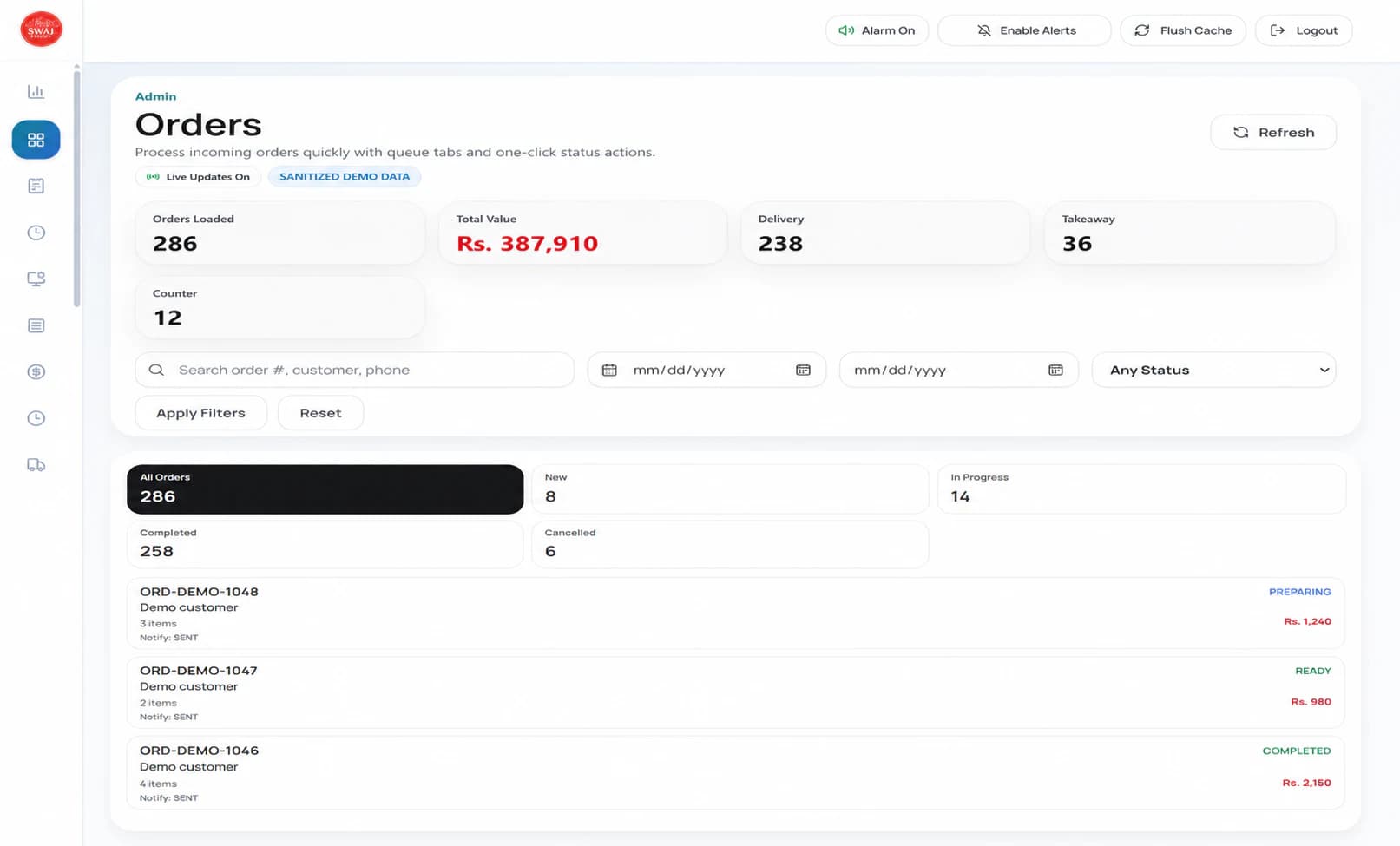
Move delivery, takeaway, and counter orders through valid status paths with cancellation kept separate.
Set ordering hours, temporarily open or close checkout, and independently control delivery and takeaway.
Assign an own or external rider, record reassignment reasons, and block delivery dispatch until assignment exists.
Review revenue, order volume, conversion, fulfilment, customer behaviour, and menu movement by date range.
Use role-based admin access and preserve important status, assignment, and administrative activity history.
These previews use sanitized demonstration content while preserving the real product workflow.
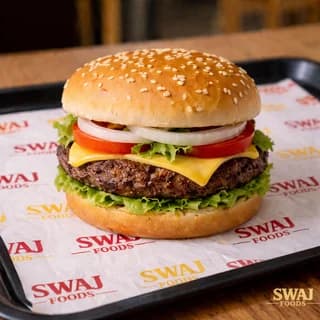
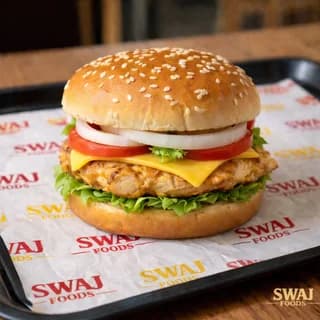
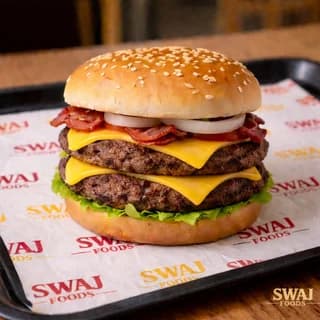
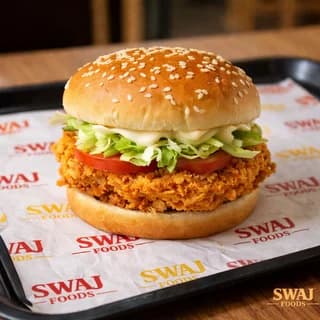
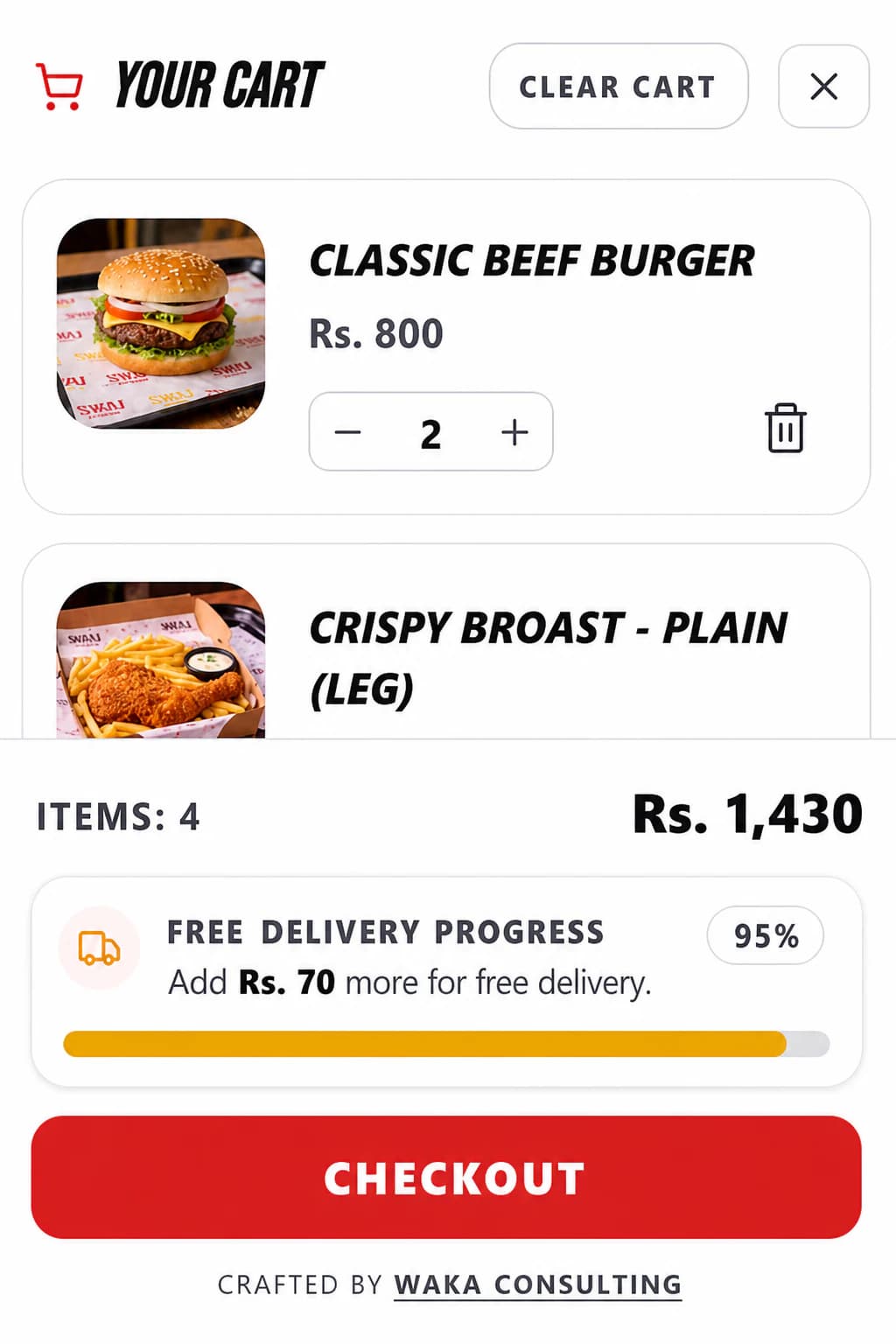
A focused mobile cart keeps quantities, thresholds, totals, and the next action easy to understand.
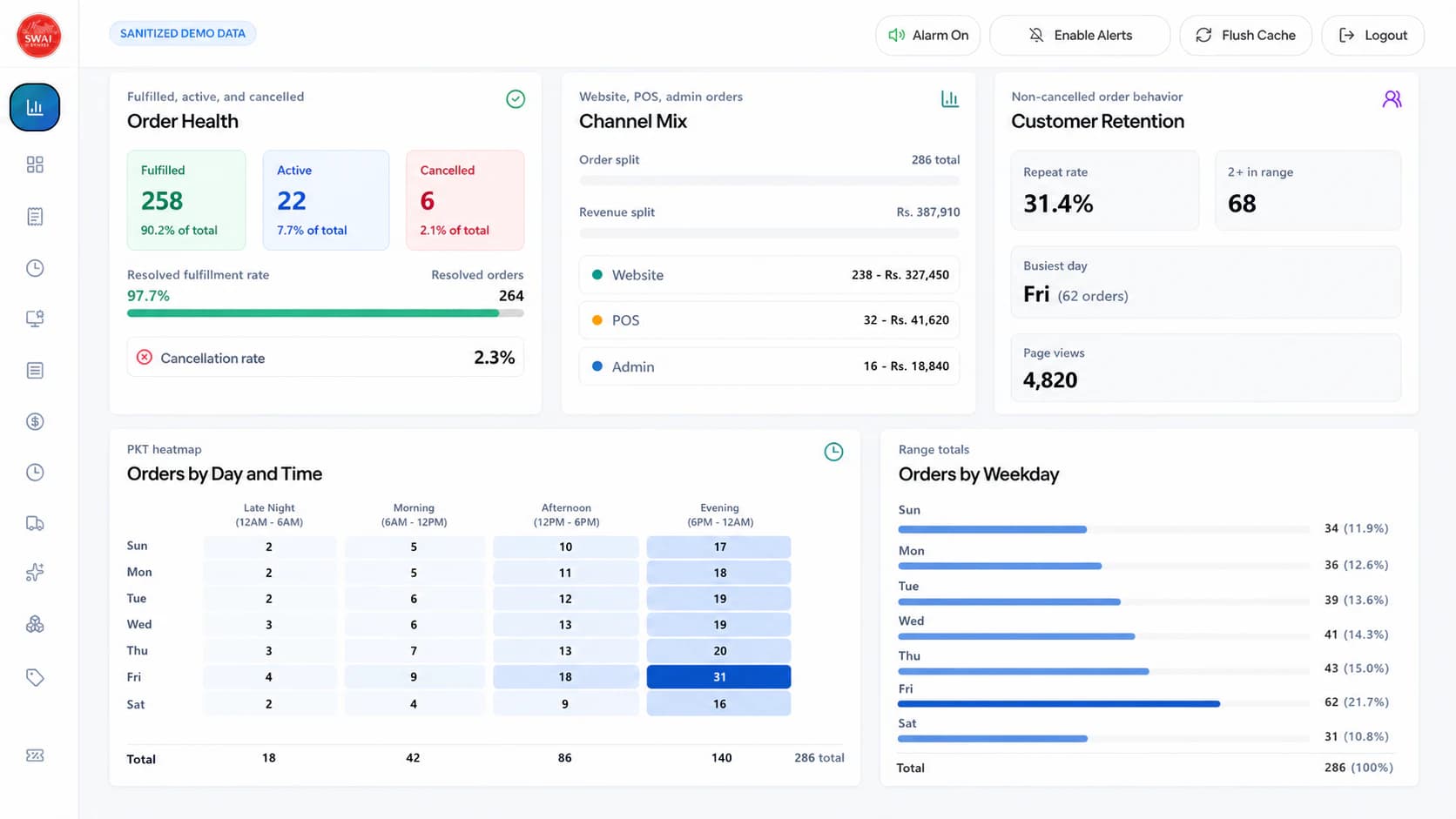
A delivery order cannot be sent out until a rider assignment exists. Takeaway orders follow a different path. Reassignments require a reason. Cancellation stays separate from normal progress. Important actions remain traceable.
The platform foundation has already supported a production restaurant operation, connecting the public ordering journey with menu control, promotions, administration, order handling, and delivery assignment. The client's approved case study reports a three-times improvement in roadmap velocity.
We start with the operating model, not a feature checklist. That keeps the customer journey, team responsibilities, and launch plan aligned.
Map order sources, fulfilment methods, menu structure, operating hours, staff roles, and delivery handoffs.
Shape the customer ordering journey around the restaurant brand, menu, deals, and service model.
Configure users, order states, checkout rules, riders, alerts, analytics, and management controls.
Prepare menu data and brand assets, test realistic orders, and train the team on daily workflows.
Support rollout, review real usage, and refine the experience as order volume and operations evolve.
The scope is deliberately clear so the demo can focus on what is already strong and what should be configured for your operation.
It is suited to restaurants, quick-service brands, takeaway businesses, cloud kitchens, and multi-location operators that need a direct delivery or takeaway channel with a structured admin workflow.
Yes. Customers can browse the restaurant's branded menu, add items or deals, choose delivery or takeaway, apply valid coupons, place the order, and track its progress.
Yes. Authorized staff can manage categories, products, prices, images, active status, featured items, deals, and promotions from the admin area.
Yes. The system supports scheduled ordering hours, temporary force-open or force-closed states, a public closure message, and separate delivery and takeaway controls.
It includes practical rider records, own or external rider assignment, reassignment controls, and a dispatch guard. It does not currently claim GPS tracking, a rider app, or proof-of-delivery functionality.
The core offer is direct ordering and restaurant operations. POS connectivity or a broader counter setup is scoped separately against the restaurant's current environment and requirements.
Yes. The public ordering experience can be configured with the restaurant's identity, content, menu imagery, contact information, and search and analytics settings.
We provide handover and go-live support, with ongoing maintenance, monitoring, and improvement options available as the operation grows.
Tell us how customers order, how the team manages menus and fulfilment, and where handoffs break down. The demo will focus on those real operating moments.